How Does Untreated Mold Affect Property?
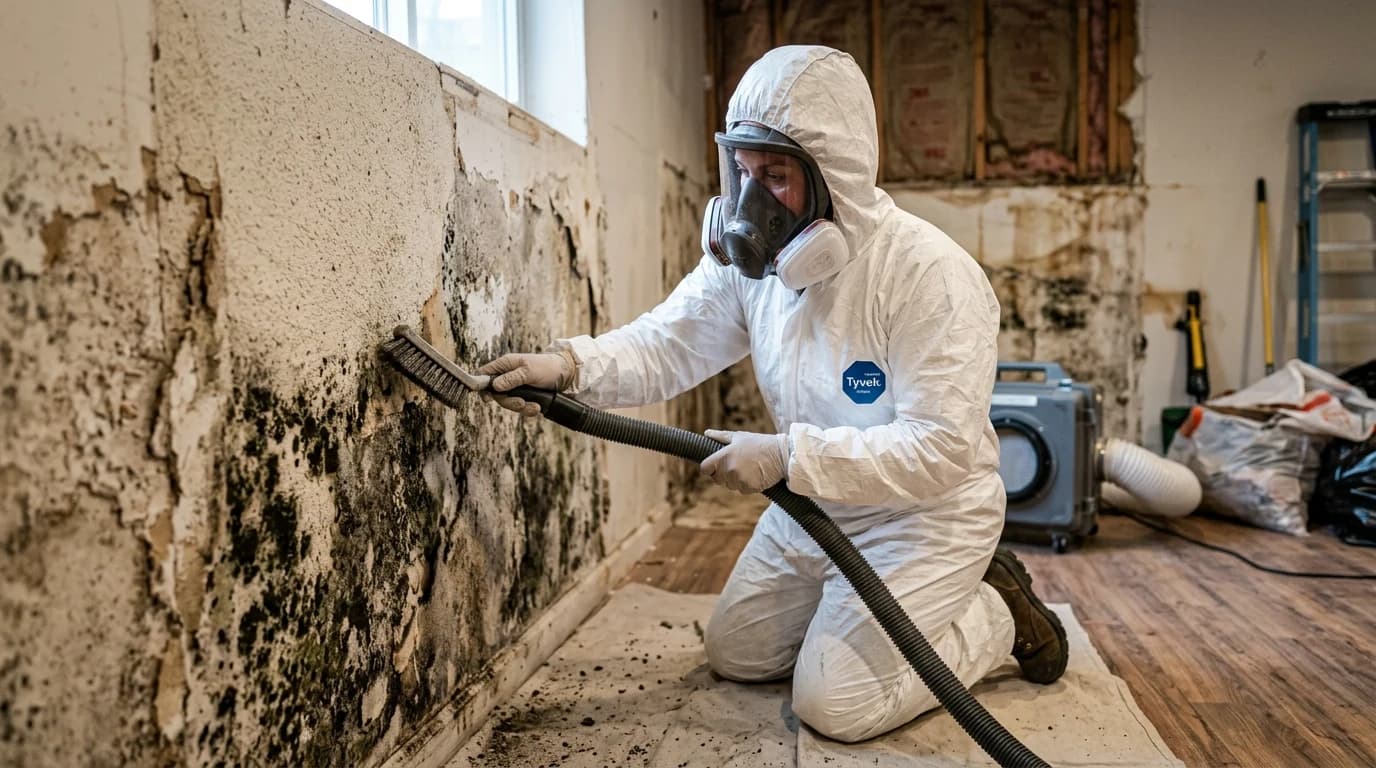
Mold can cause significant structural damage if left untreated. It feeds on organic materials like wood, drywall, and even certain types of insulation, weakening these materials over time and leading to costly repairs. Mold thrives in damp, dark environments, which often means it grows in places that are not immediately visible, such as behind walls, under floors, or in attics and basements. Over time, the continuous breakdown of these materials can result in warping, cracking, and even collapse of structural components. In severe cases, mold can compromise the structural integrity of your home, necessitating extensive renovations that could involve replacing entire sections of drywall or flooring. This not only affects the safety of your home but also its market value. Homeowners in Cresskill should be vigilant, especially during the humid summer months when mold growth can accelerate, and seek professional advice promptly to mitigate these risks.
What Are the Health Implications of Mold Exposure?
Mold exposure can lead to a variety of health issues, especially for those with preexisting respiratory conditions such as asthma or allergies. The spores released by mold can irritate the respiratory system, leading to symptoms like coughing, sneezing, nasal congestion, and throat irritation. Prolonged exposure can exacerbate asthma symptoms and increase the frequency of asthma attacks. Skin irritation is also common, with some individuals experiencing rashes or hives after contact with mold. In severe cases, especially with toxic molds like Stachybotrys chartarum (black mold), individuals may suffer from chronic respiratory infections or more severe reactions such as fever and shortness of breath. Vulnerable populations like children, the elderly, and those with compromised immune systems are at higher risk, as their bodies are less equipped to fight off the allergens and toxins produced by mold. If you suspect mold in your NJ home, consider reaching out to a mold removal expert for assessment. Early intervention can prevent these health issues from escalating.
Why Is Professional Intervention Necessary?
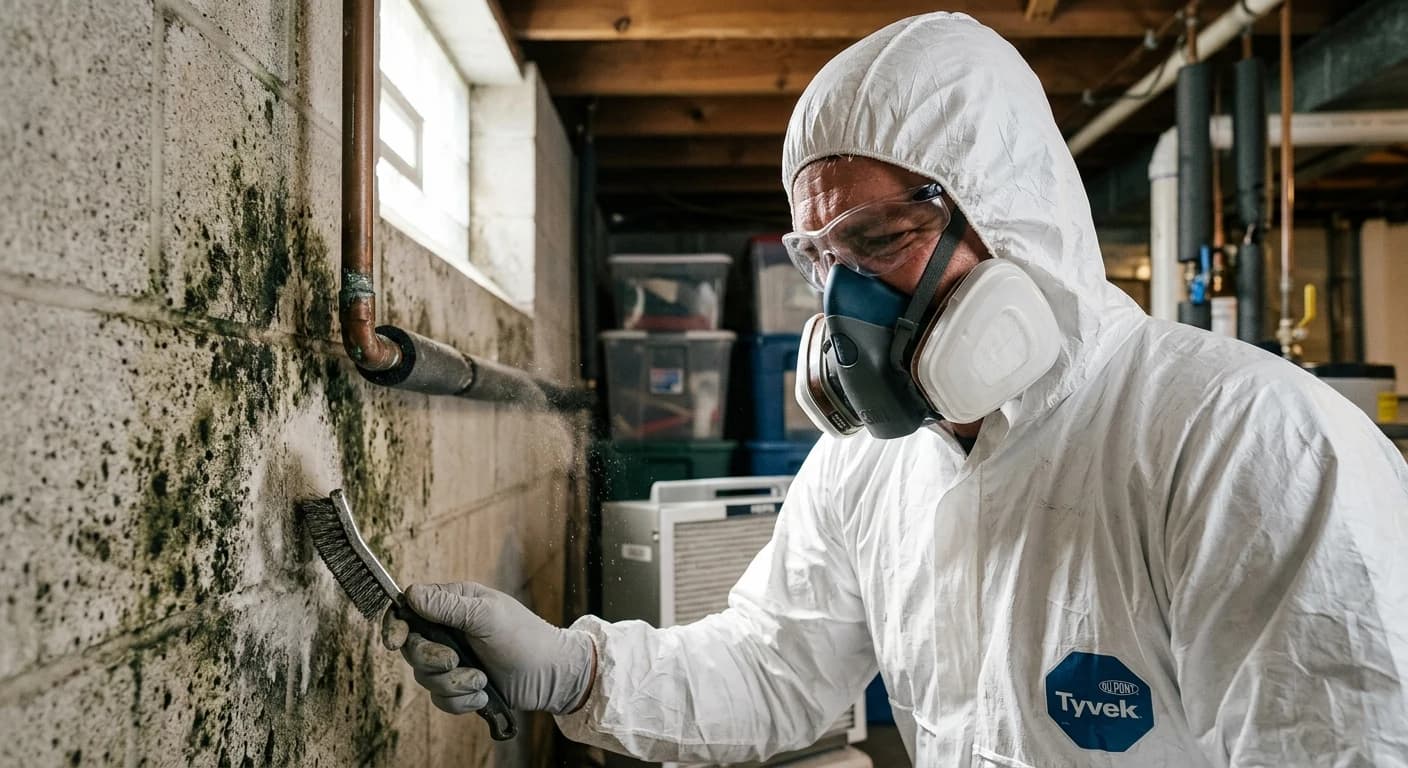
Professional intervention is crucial because mold can hide in places that are hard to reach or see, such as inside walls, under carpets, or within HVAC systems. Experts have specialized tools like moisture meters, infrared cameras, and air quality testers to identify and assess mold presence and damage accurately. They are trained to safely remove mold without spreading spores to other areas, which can happen if mold is disturbed improperly. Additionally, professionals can clean and restore affected areas using specialized cleaning agents that are not available to the general public. They can also advise on preventive measures to avoid future infestations, such as improving ventilation, installing dehumidifiers, or sealing leaks. For those in Cresskill, utilizing local mold removal services can ensure thorough remediation and peace of mind. By choosing a professional service, homeowners can also receive documentation of mold remediation, which can be crucial when selling a property or filing insurance claims. For more information on professional mold removal, visit our services page.
How to Prevent Mold Growth in Your Home
Preventing mold growth starts with controlling moisture levels in your home, as mold thrives in damp environments. Start by addressing any leaks in your roofing, plumbing, or windows immediately. Regularly inspect areas prone to moisture, such as basements, attics, and bathrooms, and ensure they are well-ventilated. Using exhaust fans in bathrooms and kitchens can help reduce humidity levels significantly. Installing a dehumidifier in particularly damp areas can also be beneficial. It's vital to maintain your HVAC system, as a well-functioning system can help regulate indoor humidity. Ensure that your gutters are clean and directing water away from your home’s foundation to prevent seepage. Additionally, consider using mold-resistant products, such as mold-resistant drywall or paint, especially in areas that are more susceptible to moisture. Regularly cleaning and drying areas that are prone to dampness, like shower curtains and bathroom tiles, can also prevent mold spores from taking hold. By staying vigilant and proactive, you can effectively minimize the risk of mold growth in your home.
Legal and Financial Consequences of Ignoring Mold
Ignoring mold issues in your home can lead to significant legal and financial repercussions. If you are a landlord, failing to address mold can result in legal action from tenants, who may claim that their health was compromised due to unsafe living conditions. This could lead to costly lawsuits, settlements, or even fines, depending on local housing regulations. For homeowners, untreated mold can drastically reduce property value, making it challenging to sell your home at a fair price. Potential buyers are likely to be deterred by the prospect of dealing with mold remediation themselves, or they may demand a significant reduction in the asking price. In some cases, mortgage lenders may refuse to finance a home with known mold issues, further complicating the selling process. Additionally, insurance companies may deny claims related to mold damage if it is determined that the issue arose from negligence or lack of maintenance. Therefore, addressing mold issues promptly not only protects your health and property but also safeguards you against potential financial and legal burdens.
Effective DIY Mold Removal Techniques
While professional intervention is often recommended for severe mold infestations, there are effective DIY methods for tackling minor mold issues. Begin by identifying the source of moisture and addressing it to prevent further growth. For small patches of mold on non-porous surfaces like tiles or glass, a mixture of water and vinegar can be an effective cleaning solution. Spray the mixture onto the affected area, let it sit for an hour, and scrub with a brush. For tougher stains, consider using a mixture of baking soda and water, which can help lift mold without harsh chemicals. Ensure the area is well-ventilated during and after cleaning to prevent mold spores from spreading. It's important to wear protective gear such as gloves, goggles, and a mask to avoid direct contact with mold or inhalation of spores. For mold on porous materials like drywall or carpet, it may be necessary to remove and replace the affected sections, as mold can penetrate these materials deeply. Always dispose of contaminated materials in sealed bags to prevent cross-contamination. Regular monitoring and maintenance can help keep mold at bay, ensuring a healthier home environment.
Understanding Mold Insurance Coverage
Navigating insurance coverage for mold damage can be complex, but understanding your policy is crucial for financial protection. Most standard homeowners' insurance policies cover mold damage only if it results from a covered peril, such as water damage from a burst pipe. However, mold resulting from neglect or long-term humidity issues is typically excluded. It's essential to review your policy carefully and speak with your insurance agent to understand what is covered. Some insurers offer additional mold coverage or endorsements that can be added to your policy for an extra premium. This can be particularly beneficial in areas like NJ, where humidity levels can contribute to mold growth. Document any mold damage thoroughly with photos and detailed records, as this will be critical when filing a claim. If you experience mold damage, report it to your insurer promptly and follow their guidelines for remediation to ensure coverage. Being proactive and informed about your insurance policy can save you significant stress and financial burden in the event of mold damage.
The Environmental Impact of Mold
While the focus on mold often centers around health and property damage, its environmental impact is also noteworthy. Mold spores, when released into the air, can contribute to poor indoor air quality, which in turn affects not only human health but also the environment within your home. These spores can settle on various surfaces, leading to a cycle of growth and decay that affects the structural materials in your house. Additionally, the presence of mold can exacerbate issues related to humidity and moisture, which can create an environment conducive to other pests, such as mites and insects. This can lead to a broader ecological imbalance within your home. Moreover, the chemicals used in mold remediation, while necessary for effective removal, can have environmental repercussions if not used responsibly. It's crucial to select eco-friendly options where possible and ensure that any waste is disposed of properly to minimize environmental harm. Homeowners in Cresskill and beyond should consider the broader ecological implications of mold and take steps to manage it in a way that is both effective and environmentally responsible.
The Role of Home Maintenance in Mold Prevention
Regular home maintenance plays a pivotal role in preventing mold growth and the associated problems it can cause. Conducting routine inspections of your home can help identify potential issues before they escalate. Start by checking the exterior of your home for any signs of water damage or leaks, particularly around windows, doors, and the foundation. Ensuring that your roof and gutters are in good condition is also crucial, as they play a significant role in directing water away from your home. Inside, regularly inspect areas prone to moisture, such as bathrooms and kitchens, for signs of leaks or water accumulation. Implementing a regular cleaning schedule can help keep these areas dry and mold-free. It's also important to monitor your home's humidity levels, especially during the humid months, and use dehumidifiers as needed. Additionally, maintaining your HVAC system can improve air circulation and reduce humidity levels, further preventing mold growth. By staying proactive with home maintenance, you can significantly reduce the risk of mold development and maintain a healthy living environment.